
ByJohn A
Ensure Workplace Safety with Fire and Safety Compliance Services
In today’s complex operational environment, maintaining a safe and compliant workplace is a top priority for organizations across all industries. Fire and safety compliance is a critical component of facility management, ensuring that properties meet regulatory standards while protecting employees, visitors, and assets. A proactive and structured approach to safety compliance helps organizations minimize risks, maintain operational continuity, and foster a secure working environment.
The Importance of Fire and Safety Compliance
Workplace safety is not just a regulatory requirement—it is a fundamental responsibility. Fire hazards, electrical risks, and structural vulnerabilities can pose serious threats if not properly managed. Fire and safety compliance services are designed to identify, assess, and mitigate these risks, ensuring that facilities operate safely and efficiently.
By implementing comprehensive safety strategies, organizations can:
- Reduce the likelihood of accidents and emergencies
- Ensure adherence to local and national regulations
- Protect valuable assets and infrastructure
- Enhance employee confidence and well-being
A well-maintained safety framework is essential for long-term operational success.
Comprehensive Safety Assessments and Audits
The foundation of effective fire and safety compliance lies in thorough assessments and audits. These evaluations provide a clear understanding of existing conditions and identify areas that require improvement.
Risk Identification
Detailed inspections help identify potential hazards, including fire risks, faulty equipment, and non-compliant systems. Early detection allows for timely corrective action.
Compliance Evaluation
Assessments ensure that all systems and processes meet relevant safety standards and regulations. This includes fire protection systems, emergency exits, and safety protocols.
Actionable Recommendations
Based on the findings, tailored recommendations are provided to address identified issues and enhance overall safety.
Fire Protection System Maintenance
Fire protection systems play a vital role in preventing and controlling fire-related incidents. Regular maintenance ensures that these systems remain fully operational and reliable.
Fire Alarm Systems
Routine testing and servicing of fire alarms ensure that they function correctly in case of an emergency, providing timely alerts to occupants.
Sprinkler Systems
Sprinkler systems must be inspected and maintained regularly to ensure effective fire suppression. Proper functioning of these systems can significantly reduce damage during a fire.
Fire Extinguishers
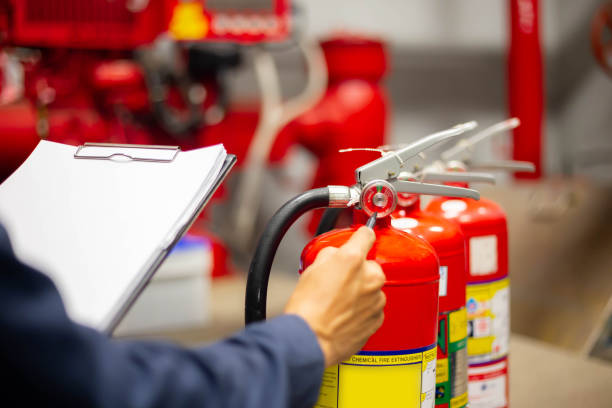
Regular inspection and servicing of fire extinguishers ensure that they are ready for immediate use when needed.
Emergency Preparedness and Planning
Being prepared for emergencies is a key aspect of workplace safety. Fire and safety compliance services include the development and implementation of comprehensive emergency plans.
Evacuation Planning
Clear and well-communicated evacuation procedures ensure that occupants can exit the building safely in case of an emergency.
Safety Training
Training programs educate employees on fire safety practices, emergency response, and proper use of safety equipment.
Drills and Simulations
Regular drills help reinforce preparedness and ensure that all occupants are familiar with emergency procedures.
Regulatory Compliance and Documentation
Compliance with safety regulations requires proper documentation and record-keeping. Maintenance of accurate records ensures transparency and accountability.
Inspection Records
Detailed records of inspections and maintenance activities demonstrate compliance with regulatory requirements.
Certification and Reporting
Proper certification ensures that all safety systems meet required standards. Regular reporting provides insights into compliance status and areas for improvement.
Audit Readiness
Maintaining up-to-date documentation ensures that organizations are prepared for regulatory audits and inspections.
Technology-Driven Safety Management
Modern fire and safety compliance services leverage advanced technology to enhance efficiency and effectiveness.
Centralized Monitoring Systems
Digital platforms enable real-time monitoring of safety systems, providing immediate alerts in case of issues.
Data Analytics
Analyzing safety data helps identify trends, assess risks, and improve preventive strategies.
Automated Reporting
Automated systems streamline reporting processes, ensuring accuracy and consistency.
Preventive Maintenance Strategies
Preventive maintenance is essential for minimizing risks and ensuring the reliability of safety systems. Regular servicing and inspections help identify potential issues before they escalate.
Scheduled Inspections
Routine checks ensure that all safety systems are functioning correctly and meet compliance standards.
Equipment Servicing
Regular servicing of safety equipment ensures optimal performance and longevity.
Continuous Improvement
Ongoing evaluation and improvement of safety strategies help maintain high standards and adapt to changing requirements.
Enhancing Workplace Safety Culture
A strong safety culture is essential for effective compliance. Fire and safety compliance services support the development of a culture where safety is a shared responsibility.
Employee Engagement
Encouraging employees to actively participate in safety initiatives fosters a sense of ownership and accountability.
Awareness Programs
Regular fire awareness campaigns keep safety top of mind and reinforce best practices.
Leadership Commitment
Strong leadership support ensures that safety remains a priority across all levels of the organization.
Minimizing Risk and Liability
Effective fire and safety compliance reduces the risk of incidents and associated liabilities. By addressing potential hazards proactively, organizations can avoid costly damages and legal issues.
Risk Mitigation
Identifying and mitigating risks helps prevent accidents and ensures a safer working environment.
Cost Reduction
Preventing incidents reduces repair costs, insurance claims, and operational disruptions.
Business Continuity
Maintaining a safe and compliant environment ensures uninterrupted operations and long-term stability.
Scalable Solutions for Diverse Facilities
Fire and safety compliance services are designed to meet the needs of various types of facilities, from small offices to large industrial complexes.
Multi-Site Management
Centralized systems enable consistent safety standards across multiple locations.
Customized Solutions
Tailored strategies ensure that specific requirements of different facilities are addressed effectively.
Flexible Implementation
Scalable solutions allow organizations to adapt safety measures as they grow and evolve.
The Value of Proactive Safety Management
A proactive approach to fire and safety compliance ensures that risks are managed effectively and systems remain reliable. By focusing on prevention, organizations can maintain high safety standards and avoid potential disruptions.
Key benefits include:
- Improved safety and security
- Enhanced regulatory compliance
- Reduced operational risks
- Increased confidence among stakeholders
See also: How can bedrooms be made safer for seniors at night?
Conclusion
Ensuring workplace safety through fire and safety compliance services is essential for modern organizations. By combining comprehensive assessments, preventive maintenance, and technology-driven solutions, businesses can create a safe and compliant environment for all occupants.
A structured and proactive approach not only protects people and assets but also supports operational efficiency and long-term success. In an environment where safety is paramount, reliable compliance services provide the foundation for a secure and resilient workplace.
